

It’s been a minute since we dropped a fresh entry in our Production Essentials music production guide series, but today’s the day!
For this article, I’m going to focus on the Youtube-conquering, ultra-mellow style known as LoFi Hip Hop, breaking down the 5 most important elements that make this cosy genre tick so that you can get cooking up your own slices of tranquil, beat-driven bliss in a heartbeat.
You’ll be able to download the sounds created for and featured in my discussion below for free at the foot of the article, so be sure to read through to the end to grab them.
Before we get started, it would be remiss of me not to first refer you, if you’re not already acquainted, to the LoFi Girl Youtube channel - with streams now numbering in the billions, this channel helped launch the genre as well as defining its Anime-inspired visual style.
It’s still the first and best place you should visit to get familiar with the soft-hued sonics we’re going to be discussing below, so open a parallel tab, let those gentle tones wash over you and let’s get going!

1. Temper Your Tempo
The first thing we should note about LoFi Hip Hop and where you’ll want to get started in terms of setting up your DAW session, concerns tempo.
The goal here is to provide the listener with soft, sugary cotton-candy for the ears, something relaxing that could be readily ignored should studying or even meditation be the real priority - this means we’re going slow baby!
LoFi Hip Hop tends to sit anywhere in the 60 - 80 Bpm range, which is quite a bit slower than more typical / traditional Hip Hop beats (usually in the 90 - 100 Bpm area). We’re taking things down a notch, calming the outer world so the mind can relax or focus, as the case may be, and that calls for a more chilled out sort of a pace.
Here’s a quick taste of a typical LoFi drum rhythm, using drum samples taken from our recent Reel Rhythm - Analog Tape Drum Samples pack (downloadable for free below), setting and controlling that slower tempo for us to build from:
This beat plays out at a cool 74 Bpm, not the slowest example of the style but sitting comfortably in that head-nodding, care-free tempo region we spelled out above.
2. Laying The Rhythmic Foundation
As you can hear in the above beat, LoFi Hip Hop prioritises uncluttered, simple drum patterns, often featuring just 3 elements or drums, and not uncommonly just 2. It’s bare, minimal and serves to keep the beat from occupying your attention too much.
We’re talking snares or snare rims on the 2 and 4, kicks on beat 1 and maybe one or just two other places in the pattern, probably syncopated to give the groove that Hip Hop feel. A hi hat, shaker or other percussive instrument or sample usually occupies the 3rd spot, if at all.
Here’s a MIDI snapshot of the drum audio loop from above, so you can see how this particular rhythm has been arranged across the piano roll:
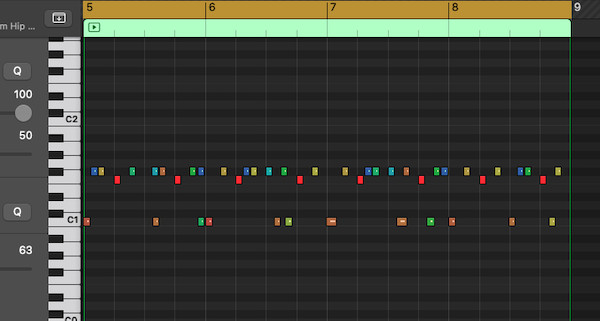
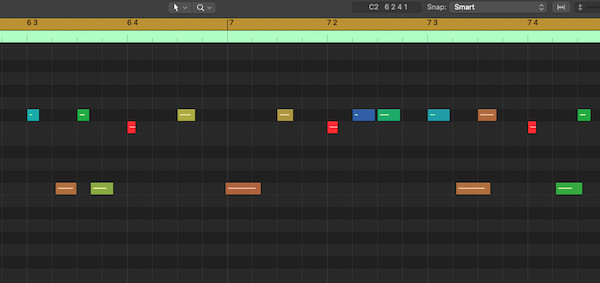
A crucial aspect of many LoFi Hip Hop rhythms is that one element of the kit is often singled out for off-the-grid note placement, a classic Hip Hop technique harking back to the Golden Era beats of J Dilla and brought to the mainstream by contemporary artists like Flying Lotus.
Now this isn’t always the case and plenty of tracks in this style just opt for fully quantised beats, but as you can hear in the beat above, we’ve had some fun loosely recording the rhythm and pulling the kicks around the grid just a touch to create that subtly off-kilter effect.
So far, so simple - we should also note at this point just exactly the types of sounds we want to trigger when setting up LoFi Hip Hop drum rhythms, and as you might expect with all things Hip Hop, we’re talking drum machines and samples from old records and hardware.
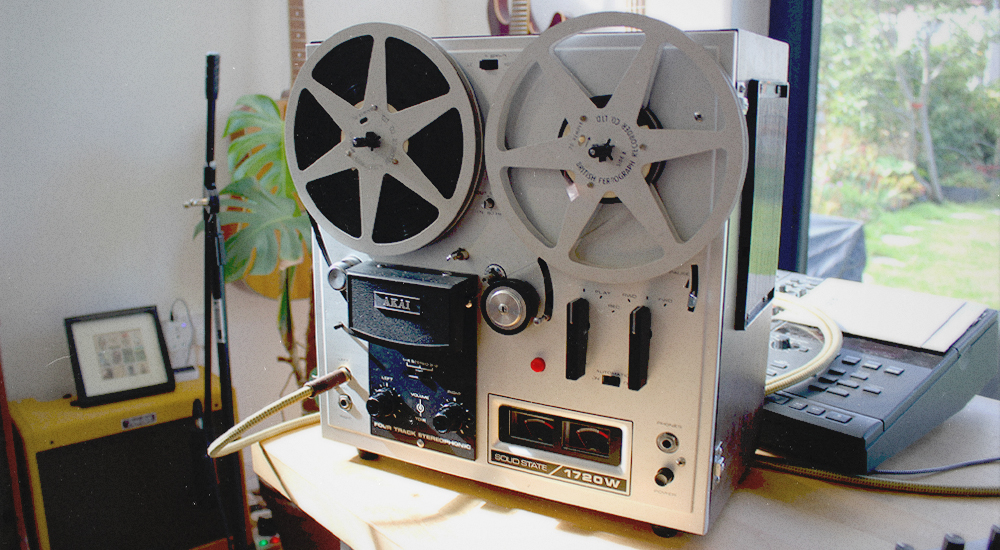
In the beat heard above, we have a mix of the two - the samples come from our Reel Rhythm pack as mentioned above, which was made by sending analog drum machine sounds into a vintage reel-to-reel tape recorder.
This hybrid electronic / analog instrumental nature will be echoed in other areas of our arrangement also and is an important aspect of the style overall, as we’ll see below.
3. Filtering Is A Producer’s Best Friend
Another important element you may already have picked up on from listening above is that each element of the kit has been low pass filtered to an usually deep extent - again, this is all in aid of pushing things further back in the mix than we would with most other types of electronic music, softening the spiky transients from the arrangement to minimise the mix’s impact on the listener’s attention.
So, choose your favourite filter plugin and load it up either on your drum loop track, drum bus channel, or even in multiple iterations across individual drums, depending on how you’ve set things up in your DAW.
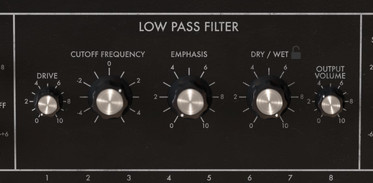
We’re cutting out the highs here so we’ll be dealing with a low pass filter circuit or type, which lops off the frequencies in your audio above the specified threshold, or cutoff. As I said above, you’ll want other to cut things lower than you might expect, pulling the cutoff down to around 2kHz or so.
This really carves out space in your mix for the other musical elements, meaning they won’t have to be too loud or harsh in terms of frequency spectrum to be heard clearly. It also throws emphasis down onto the mid and lower frequency regions of your drums, another benefit when considering our goal of crafting a warming, enveloping overall sound.
Moving beyond the drums, low pass filtering is probably something you’ll want to apply to most of the others parts of your arrangement, depending on the instrument in question and how much higher frequency content is present.
So, don’t be shy in bringing in multiple instances of your filter plugin into your session, or, for a subtler effect, bring in EQs and work with their high shelves to pull back frequencies above the 2kHz threshold mentioned above.
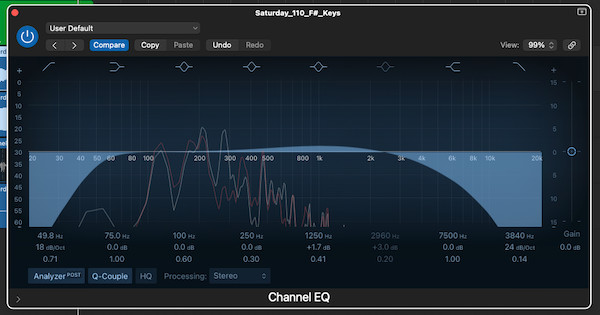
4. Dust Off That Piano & Give Your Guitar Some Love
Speaking of the other elements of a typical LoFi Hip Hop mix, let’s turn our attention to the melodic side of life - on top of those laidback beats, the genre almost invariably features either piano or guitar as the main instrumental force, with synths or keys (i.e. electric piano) making occasional central appearances also.
Again, in pursuit of a simple, warming and chilled vibe, LoFi Hip Hop tends to favour basic, Pop-orientated chord progressions of 2 - 4 chords, arranged in simple rhythms much like the drum pattern we looked at above.
If guitars are featured then you might hear those chords strummed in a simple pattern, or a basic riff might be the melodic centerpiece.
Returning to our rhythm above, let’s find an accompanying melodic loop from one of our packs to pair with the drums - our Dream Days - LoFi Hip Hop Loops pack is bursting with sounds in this style, so I’ve found a loop of some gorgeously mellow electric keys chords to serve up:
The keys loop was originally exported at 110 Bpm, so I’ve just slowed it down to 74 using Logic Pro’s native time-compression algorithm which actually helps to add to the LoFi aesthetic.
This audio example does feature sidechain compression, with the kick drum being used as the sidechain signal to effectively carve back the sound of the keys whenever the kick appears - this is a classic Hip Hop technique covered in another article of mine, so I won’t go into the detail here but I’ll be sidechaining all the other elements of the mix off the kick as we go from here.
To underpin the harmony of the main melodic element, we’ll usually hear a very simple bass guitar or sub bass synth part underneath, picking out the root notes of the given chord progression in a simple rhythm.
Low pass filtering is again your friend here as you don’t want the bass part to really do much other than ‘spell out’ the chords and fill out the low end of your mix, so don’t be afraid to pull that cutoff right back to 150Hz or less to really concentrate the sound down in the lower, sub frequency region.
Again dipping into Dream Days, here’s the accompanying bass synth loop for the chords I’ve already selected:
5. Final Touches Of Atmosphere
To round things off and give that final dusting of atmosphere, we’re often treated to some classic vinyl crackle or analog hardware texture when it comes to LoFi Hip Hop tunes. Tape hiss is another great option here, as this will also add in that touch of 80s nostalgia and melancholy that the style sometimes invokes.
Another option is to go with a field recording, almost always of soft, gentle rain, or tranquil water sounds, anything that will really help set a calm, almost sleepy mood.
For our example beat, I’m staying classic and have opted for a vinyl crackle loop also from Dream Days:
I’ve painted a picture of a very simple style above, featuring not more than 3 or 4 elements picking out a minimal number of notes or chords in a languid rhythm - this really is the long and short of many LoFi Hip Hop tracks, though of course arrangements might be fleshed out by 1 or 2 other parts coming into play here or there, or background synths added at various points to help direct the flow of the music from start to finish.
Dipping into Dream Days one more time, here’s an accompanying synth part added to flesh out my mix just a touch for that final flourish:
Now it’s your turn - let your hair down, breathe in and float off downstream with a nice warming sonic bath of LoFi Hip Hop for your ears and soul!
Be sure to hit the button and download the loops and drum MIDI featured above for free, to help get you on your way to LoFi Hip Hop happiness.


